
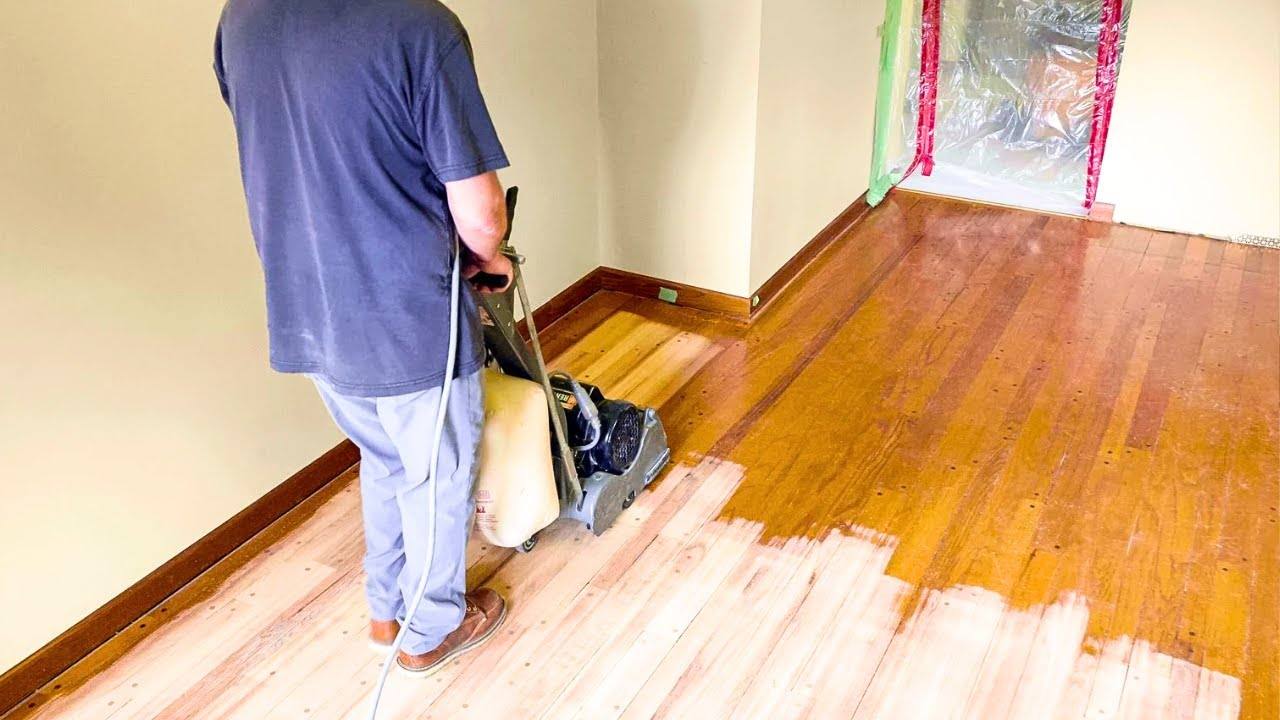
Hardwood floors are one of the most durable and valuable features in any home, but they are not invincible. Scratches, stains, dull finishes, and years of foot traffic eventually catch up with even the best-maintained floors. When that happens, refinishing is often the smartest fix.
But what if your floors have already been refinished before? Can you sand hardwood floors a second time or a third? The answer depends on several factors, including the flooring type, its thickness, and how much wood was removed in previous sandings. Getting this wrong can cause permanent damage, so knowing what to look for before you refinish is essential.
Can Hardwood Floors Be Sanded More Than Once?
Yes, but not indefinitely. Each time you sand hardwood floors, you remove a thin layer of wood from the surface. How many times a floor can safely go through that process depends entirely on how much usable wood remains above the tongue and groove. Once that material is gone, sanding is no longer an option.
The two main flooring types respond very differently to repeated sanding, which is the first thing any homeowner should understand before scheduling a refinish.
Solid Hardwood vs. Engineered Hardwood: Key Differences
Solid Hardwood Can Be Sanded Multiple Times
Solid hardwood boards are milled from a single piece of wood, typically ¾ inch thick. That depth gives them significant material to work with over time. A well-maintained solid hardwood floor can typically be sanded and refinished anywhere from 5 to 8 times across its lifetime, depending on the thickness of the wear layer above the tongue and groove.
That said, each sanding removes material, and prior refinishing work by previous contractors may have already taken more than expected. Knowing your floor’s history is important before committing to another full sand.
Engineered Hardwood Has More Limitations
Engineered hardwood consists of a thin real-wood veneer bonded over a manufactured core. That veneer layer, typically between 1mm and 6mm thick, is what gets sanded. Thicker engineered floors may tolerate two or three light sandings; thinner options may only survive one, or may only be suitable for screening and recoating rather than a full sand.
If you are unsure whether your floor is solid or engineered, a professional can identify it quickly, and that distinction will drive the entire refinishing decision.
Factors That Determine Whether Sanding Is Safe
Floor Thickness and Remaining Wood
The single most important factor is how much wood sits above the tongue and groove joint. Professional hardwood floor inspectors measure this before any sanding begins. If the remaining material is too thin, sanding will expose the joints, compromise structural integrity, or permanently damage the boards. There is no reversing that outcome.
History of Previous Refinishing
Each previous sanding reduces the available material for future work. A floor that has been refinished three or four times may look fine on the surface but have very little wood left to work with. Prior refinishing history, including how aggressively each pass was done, directly affects whether another full sanding is safe or whether a lighter approach is more appropriate.
Depth of Surface Damage
Deep scratches, stains, dents, or uneven spots may require more aggressive sanding to fully correct. The trade-off is that removing more material to fix one damaged area shortens the overall lifespan of the floor. In some cases, targeted repair rather than a full sand is the smarter choice, especially on floors with limited wood remaining.
Exposed or Near-Surface Fasteners
Older hardwood floors are often nailed or stapled down, and those fasteners sit just beneath the surface. If hardwood sanding has already brought the floor close to that level, further sanding risks exposing nails or staples, which can damage equipment, create safety hazards, and signal that the floor has reached the end of its sandable life.
When Sanding Is Not the Right Answer
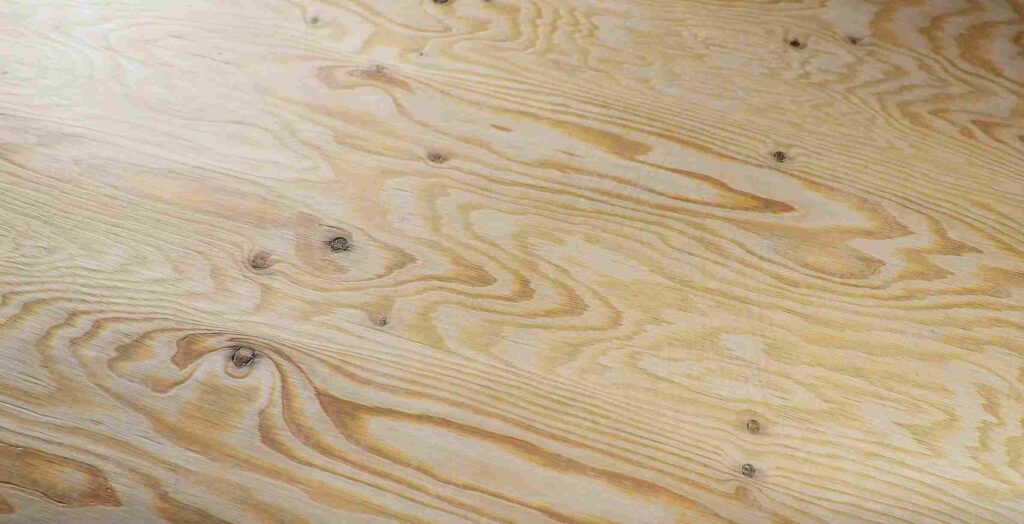
Not every worn floor needs a full sand. If the protective finish is dull, lightly scratched, or faded but the wood itself is still in good condition, screening and recoating is often the better option. This process lightly scuffs the existing finish and applies a fresh coat on top, restoring the appearance without removing any meaningful amount of wood.
Screening and recoating is faster, less disruptive, and preserves the material that makes future sandings possible. For Greenville, SC homeowners looking to refresh their floors without committing to a full refinish, it is well worth considering before going straight to a full sand.
Why a Professional Assessment Matters
The consequences of sanding a floor that cannot safely handle it are permanent. Exposed joints, thinned boards, and structural compromise cannot be undone without replacing the flooring entirely. A professional hardwood floor inspection before refinishing identifies exactly how much material remains, what the floor’s sanding history looks like, and which approach- whether full sanding, screening, recoating, or targeted repair- will produce the best result without shortening the floor’s remaining lifespan.
Conclusion
Hardwood floors can be sanded more than once, but how many times depends on the type of flooring, its thickness, and the cumulative impact of previous refinishing work. Solid hardwood generally offers more opportunities for sanding than engineered hardwood, but both have limits that should be assessed before any work begins.
If your floors are looking worn and you are considering refinishing, do not assume another full sand is automatically safe. A professional evaluation can save you from a costly mistake and point you toward the right solution, whether that is a full refinish or a lighter screening and recoat.
At Elite Floor Sanding & Refinishing, we assess, sand, refinish, and restore hardwood floors across Greenville, SC, and surrounding communities, including Spartanburg County, Simpsonville, Mauldin, Greer, and Taylors. We will tell you honestly what your floor can handle and deliver results that last.
Contact us today to schedule a professional hardwood floor assessment.
FAQs
Can you sand hardwood floors more than once?
Yes, as long as sufficient wood remains above the tongue and groove. Solid hardwood can typically be sanded 5 to 8 times over its lifetime; engineered hardwood has more limited capacity depending on the thickness of the veneer layer.
How do I know if my floors can be sanded again?
A professional measures the remaining wood above the tongue and groove before any sanding begins. If too little material remains, further sanding risks exposing joints and permanently damaging the boards.
What is the difference between sanding and screening?
Sanding removes a layer of wood to eliminate serious damage and prepare the surface for a new finish. Screening lightly scuffs the existing finish without removing wood, then a fresh coat is applied on top. Screening is the better option when the wood itself is still in good condition.
Can engineered hardwood floors be refinished?
Yes, but with limitations. The real-wood veneer on engineered hardwood is thinner than solid hardwood, so it can only be sanded a limited number of times. Thicker engineered floors have more flexibility; thinner ones may only support screening and recoating.
What happens if you sand hardwood floors too much?
Over-sanding exposes the tongue and groove joints, weakens the structural integrity of the boards, and can cause permanent damage that requires full floor replacement. This is why a professional assessment before refinishing is always the recommended first step.