

For most Spartanburg County homeowners, hardwood floors are one of the biggest investments in the house. They add warmth, value, and character that carpet or vinyl simply cannot match. But without the right care, that investment wears down faster than it should. Hardwood Floor Sanding is often thought of as a routine, expected expense, but the truth is that proper daily care can delay the need for full refinishing by years, not months.
Foot traffic, pets, dry winter air, and everyday spills all chip away at a floor’s finish long before the wood itself is damaged. The good news is that most of this wear is preventable. This guide walks through what actually shortens a hardwood floor’s life, and what homeowners can do between refinishing projects to protect their investment.
Why Do Hardwood Floors Wear Out Faster Than Expected?
Hardwood floors take more abuse than most homeowners realize. A few everyday factors do most of the damage:
- Daily foot traffic gradually wears down the protective finish, especially in hallways and entryways.
- Pets leave behind claw scratches, and accidents can seep into seams and stain the wood.
- Furniture scratches happen every time a chair or table leg drags across the floor.
- Dirt and grit tracked in from outside act like sandpaper under shoes and socks.
- Moisture damage from spills, humidity, or leaks can warp boards and dull the finish.
- UV sunlight exposure fades and weakens the finish in rooms with large windows.
How Often Should Hardwood Floor Sanding Be Needed?
Most hardwood floors need Hardwood Floor Sanding every seven to ten years, though this depends heavily on how the floor is used and maintained. High-traffic homes with kids or large dogs may need attention closer to the five-year mark, while lightly used formal spaces can go much longer.
A few factors determine how often refinishing is actually needed:
- Household size and activity level
- Whether pets are present and how often their nails are trimmed
- Sun exposure and humidity swings throughout the year
- How consistently the floor is cleaned and protected
It also helps to understand the difference between light wear and severe damage. Light wear, like a dull finish or minor surface scuffs, can often be addressed with buffing or a recoat. Severe damage, such as deep gouges, water stains, or exposed wood, usually means full Hardwood Floor Refinishing is the better path. Left unaddressed, minor wear turns into a much larger Hardwood Floor Restoration project down the line.
What Daily Habits Help Protect Hardwood Floors?
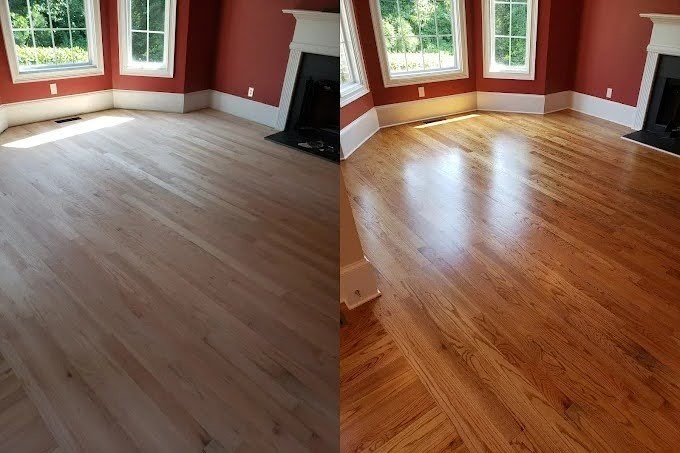
Small, consistent habits do more for a floor’s lifespan than any single deep clean. These four habits matter most for Wood Floor Maintenance:
Sweep and Vacuum Regularly
Dust and grit act like sandpaper under foot traffic. A quick sweep or vacuum two to three times a week keeps abrasive particles from scratching the finish.
Clean Spills Immediately
Standing liquid, even a small splash, can seep into seams and cause discoloration or warping. Wipe spills up right away with a dry or slightly damp cloth.
Use the Right Hardwood Floor Cleaner
Generic all-purpose cleaners can strip or dull a floor’s finish over time. A cleaner formulated specifically for hardwood protects the surface while supporting long-term Hardwood Floor Care.
Avoid Excess Water
Wood and standing water do not mix. Mops should be damp, never soaked, and steam mops should be avoided entirely since heat and moisture can damage the finish and the wood underneath.
How Can Furniture and Rugs Prevent Floor Damage?
Furniture is one of the most common sources of Scratched Hardwood Floors, but a few simple adjustments go a long way toward preventing hardwood floor damage:
- Felt furniture pads on chair and table legs stop scuffing during everyday movement.
- Area rugs in living rooms and dining areas absorb impact and reduce direct wear.
- Entry mats at every exterior door catch dirt and grit before it reaches the floor.
- Rearranging furniture periodically prevents uneven fading and wear patterns.
- High-traffic areas like hallways benefit from runners to distribute foot traffic.
Can Humidity Affect Hardwood Floors?
Hardwood is a natural material, and it responds to changes in moisture in the air. Managing indoor humidity is just as important as cleaning routines when it comes to protecting a floor long-term.
- Seasonal expansion happens in humid summer months as boards absorb moisture and swell slightly.
- Wood shrinking occurs in dry winter months, sometimes creating small gaps between boards.
- Indoor humidity control, ideally between 35 and 55 percent, minimizes this wood movement.
- Humidifiers help during dry winter months to keep wood from shrinking too much.
- Air conditioning and dehumidifiers help during humid summer stretches to prevent excess swelling.
Keeping humidity levels stable throughout the year reduces stress on the wood and helps the finish last longer between refinishing projects.
What Are the Early Signs That Hardwood Floor Sanding May Be Needed?
Catching problems early keeps small issues from turning into major restoration projects. Watch for these Hardwood Floor Damage Signs:
- Surface scratches that catch a fingernail or sock
- Fading finish that no longer looks glossy or even
- Discoloration in high-traffic or sun-exposed areas
- Water stains left behind by spills or leaks
- Small dents from dropped items or furniture
- Splinters, which usually mean the finish has fully worn through
- Uneven finish that looks patchy from room to room
Any one of these signs on its own may not require immediate action, but several appearing together usually mean it is time to schedule an inspection.
Which Mistakes Shorten the Life of Hardwood Floors?
Some of the most damaging habits are ones homeowners do not realize are a problem until the finish is already compromised:
- Steam mops force heat and moisture into the wood, breaking down the finish from below.
- Harsh chemicals like ammonia-based cleaners strip protective coatings over time.
- Wearing high heels indoors concentrates significant pressure into small, sharp points.
- Dragging furniture instead of lifting it creates deep gouges in seconds.
- Ignoring minor damage allows small scratches to widen and collect dirt and moisture.
- Letting pet nails grow long increases the depth and frequency of claw marks.
When Is Professional Hardwood Floor Refinishing the Better Choice?
DIY sanding kits exist, but they come with real limitations. Rental equipment is often harder to control, dust containment is minimal, and an uneven pass can leave visible marks that are difficult to fix afterward. Professional Floor Sanding Services solve these problems with equipment and experience that homeowners typically do not have access to.
- Better equipment produces a smoother, more even result across the entire floor
- Dust containment systems keep the mess out of the rest of the home
- A longer-lasting finish comes from proper drying time and product application
Working with Hardwood Floor Refinishing professionals also means fewer surprises. Wood Floor Restoration Experts can spot underlying issues, like subfloor damage or board separation, before they become bigger problems.
Why Homeowners Trust Elite Floor Sanding & Refinishing
Homeowners across Spartanburg County return to Elite Floor Sanding & Refinishing for a few consistent reasons. The team brings experienced craftsmen with decades of hands-on work, and that experience shows in the quality of every finished floor.
- Modern sanding equipment that delivers a smooth, consistent result
- A dust-conscious sanding process that keeps homes cleaner during the project
- Customized finish options to match the exact look a homeowner has in mind
- Long-lasting hardwood floor restoration backed by quality workmanship
Homeowners who are unsure whether their floors need attention now or can wait are welcome to reach out for a straightforward evaluation, no pressure involved.
Final Thoughts
Preventive maintenance saves money in the long run. A few consistent habits, like sweeping regularly, using the right cleaner, and managing indoor humidity, can meaningfully extend the years between refinishing projects.
Small changes add up. Felt pads, entry mats, and quick attention to spills all protect the investment a hardwood floor represents.
Scheduling a professional inspection before minor wear turns into serious damage is one of the smartest steps a homeowner can take. Elite Floor Sanding & Refinishing is available to take a look, answer questions, and offer honest guidance on whether a floor needs sanding now or can be maintained a while longer.
Frequently Asked Questions
How long should hardwood floors last before refinishing?
Most hardwood floors go seven to ten years between refinishing projects, though high-traffic homes or homes with pets may need it closer to every five years.
Can hardwood floors be cleaned without damaging the finish?
Yes. Regular sweeping combined with a hardwood-specific cleaner and a barely damp mop keeps floors clean without stripping or dulling the finish.
What causes scratches on hardwood floors the most?
Dragged furniture, pet claws, and grit tracked in from outside are the most common causes of everyday scratches.
Is hardwood floor sanding necessary for every scratch?
No. Light surface scratches can often be buffed out or addressed with a recoat. Sanding is typically reserved for deeper damage or when the finish has worn through in multiple areas.
How do I know when my hardwood floors need professional restoration?
Signs like splinters, exposed wood, water stains, or an uneven finish across multiple rooms usually mean it is time for a professional evaluation.
Can regular maintenance reduce the need for hardwood floor sanding?
Yes. Consistent sweeping, prompt spill cleanup, felt furniture pads, and stable indoor humidity all reduce wear and can meaningfully delay the need for sanding.